In the world of air conditioning and refrigeration systems, two common issues often go unnoticed yet significantly impact performance: refrigerant undercharge and poor airflow. Both problems can lead to inefficient cooling, increased energy consumption, and premature system wear. Understanding the subtle differences and interactions between these conditions is crucial for effective diagnosis and repair.
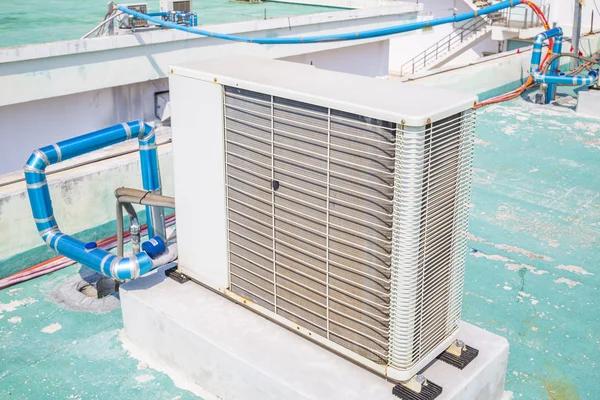
Refrigerant undercharge occurs when there is insufficient refrigerant in the system due to leaks or improper charging during installation or maintenance. Refrigerants are essential for absorbing heat from indoor spaces and releasing it outdoors. When levels are too low, the system struggles to transfer heat effectively, resulting in diminished cooling capacity. This condition causes learn the ins and outs evaporator coil to become excessively cold, sometimes leading to frost buildup as moisture freezes on its surface. The compressor may also overheat because it works harder to compensate for inadequate refrigerant flow.
On the other hand, poor airflow refers to any restriction or reduction in the movement of air across components like the evaporator coil or condenser fan. Causes include dirty filters, blocked vents, malfunctioning fans, or ductwork issues such as leaks or obstructions. Insufficient airflow prevents proper heat exchange by limiting contact between air and coils where temperature changes occur. This leads to warmer indoor temperatures despite running equipment at full capacity.
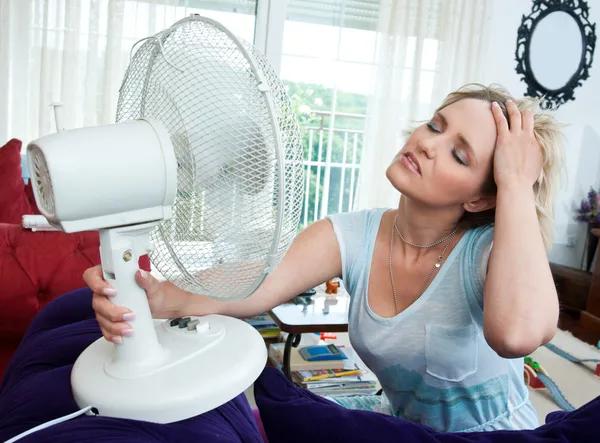
While both refrigerant undercharge and poor airflow reduce cooling efficiency, they manifest differently within a system’s operation but can appear similar externally-such as longer run times or uneven room temperatures-which complicates troubleshooting efforts for technicians and homeowners alike.
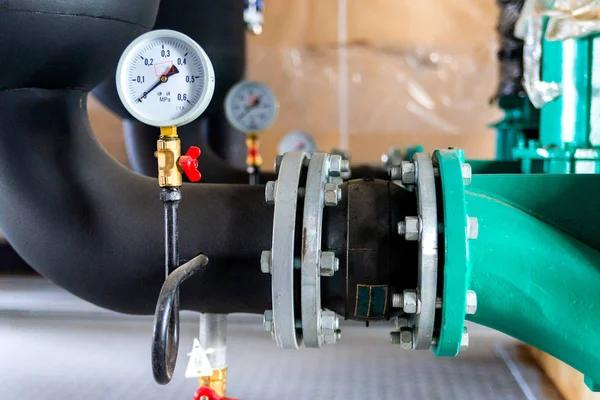
A key difference lies in how each affects pressure readings within an AC unit’s refrigeration cycle; low refrigerant results in lower suction pressure on gauges due to reduced liquid volume circulating through pipes whereas restricted airflow causes higher pressures because less heat dissipates from coils causing elevated operating temperatures.
Compounding this challenge is that one problem can exacerbate another: poor airflow may cause coil freezing similar to what happens with low refrigerant charge since stagnant air fails to absorb enough heat allowing frost formation; conversely prolonged operation with insufficient coolant stresses compressors increasing risk of mechanical failure which might then affect fan motors responsible for maintaining adequate circulation.
Addressing these issues requires careful inspection including checking pressure levels using appropriate tools alongside evaluating filter cleanliness fan function duct integrity among other factors influencing ventilation quality. Repair strategies differ significantly-recharging involves locating leaks fixing them before restoring correct fluid amounts while resolving airflow demands cleaning replacing filters repairing ducts ensuring unobstructed pathways so conditioned air moves freely throughout living spaces.
Ultimately recognizing that refrigerant undercharge and poor airflow represent interconnected challenges rather than isolated faults enables more accurate diagnoses leading toward sustainable solutions enhancing comfort reliability longevity of HVAC systems serving residential commercial environments worldwide without unnecessary costs caused by misidentification of symptoms alone.