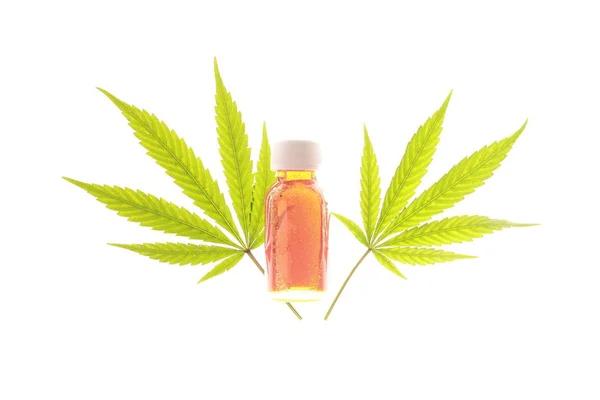
THCA, or tetrahydrocannabinolic acid, is a naturally occurring compound found in raw cannabis plants. Unlike THC, the well-known psychoactive component of cannabis, THCA itself is non-intoxicating and does not produce a “high.” In Austin, where cannabis laws continue to evolve and interest in cannabinoid products grows, understanding THCA has become increasingly important for both consumers and healthcare professionals. THCA exists primarily in the fresh cannabis flower before it undergoes decarboxylation-a process triggered by heat that converts THCA into THC. This means that when cannabis is smoked or vaporized at high temperatures, the THCA transforms into THC, resulting in psychoactive effects.
In its raw form, THCA offers potential therapeutic benefits without intoxication. Research suggests that it may possess anti-inflammatory properties and neuroprotective qualities while also showing promise as an antiemetic-helping to reduce nausea-and as an appetite stimulant. However, scientific studies on these effects are still limited compared to those conducted on edibles thc near me and CBD. People interested in exploring alternative wellness options often seek out products containing THCA due to its unique profile and potential health applications.
Austin’s legal landscape plays a significant role in how residents access and use THCA-containing products. While recreational marijuana remains illegal in Texas overall, medical use of low-THC cannabis extracts is permitted under specific conditions through the Compassionate Use Program. This program allows patients with qualifying conditions such as epilepsy or multiple sclerosis to obtain certain cannabis derivatives from licensed dispensaries under regulated guidelines. Because most commercially available medical products focus on CBD-rich formulations with minimal THC content, pure or concentrated forms of THCA can be more challenging to find legally within Austin.
Despite regulatory restrictions, some dispensaries offer hemp-derived cannabinoid products containing trace amounts of THC along with other cannabinoids like CBD and potentially small levels of residual THCA. These items must adhere strictly to federal limits on tetrahydrocannabinol content (0.3% by dry weight) established under the 2018 Farm Bill governing hemp cultivation nationwide.
For individuals interested in experimenting with non-psychoactive cannabinoids such as THCA within Austin’s current legal framework, consulting knowledgeable professionals at licensed dispensaries or healthcare providers familiar with cannabinoid science is advisable. They can provide guidance about product selection based on individual needs while ensuring compliance with state regulations.
Overall, awareness about what distinguishes THCA from other cannabinoids helps users make informed decisions regarding their health and wellness choices amid Texas’ complex legal environment surrounding cannabis-derived substances. As research advances and policies shift over time, greater clarity around safe usage protocols for compounds like THCA will likely emerge throughout Austin’s growing market for cannabinoid-based therapies and supplements alike.
Capital CBD American Shaman
8315 Burnet Rd Ste. C, Austin, TX 78757
512-386-1873