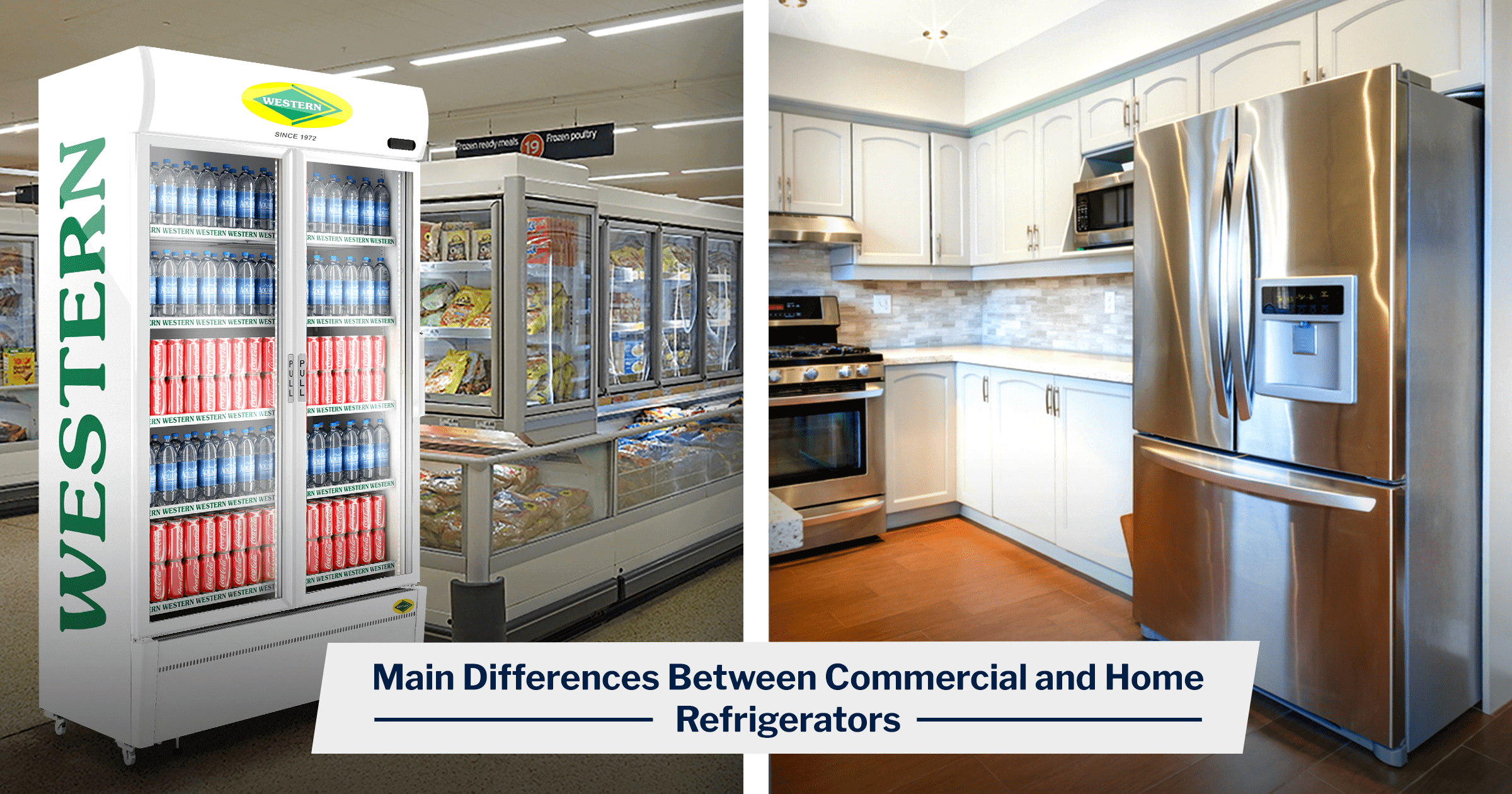
Selecting the appropriate commercial refrigerator for high-demand operations is crucial to maintaining food safety, optimizing workflow, and managing energy costs effectively. Businesses such as restaurants, catering services, and large-scale food retailers require refrigeration units that can handle constant use while preserving perishable goods at safe temperatures. Understanding operational needs and environmental factors plays a significant role in making an informed decision. The first consideration involves assessing storage capacity relative to the volume of products handled daily. Overestimating space may lead to unnecessary expenses and increased energy consumption, while underestimating can cause overcrowding and compromise cooling efficiency. It is important to evaluate not only current inventory but also potential growth or seasonal fluctuations that might affect storage requirements.
Cooling performance is another critical aspect since consistent temperature control prevents spoilage and ensures compliance with health regulations. Commercial Refrigeration refrigerators designed for high-demand settings often feature advanced insulation materials and reliable compressors capable of maintaining steady internal temperatures despite frequent door openings or ambient temperature changes. Energy efficiency should not be overlooked because refrigeration units operate continuously, contributing significantly to utility bills. Models with Energy Star certification or similar ratings demonstrate reduced power consumption without sacrificing performance, offering long-term savings alongside environmental benefits.
Durability matters greatly when selecting equipment intended for rigorous daily use in busy kitchens or warehouses. Stainless steel construction is favored due to its resistance to corrosion, ease of cleaning, and ability to withstand impacts common in fast-paced environments. Additionally, consider models with robust shelving systems adaptable for various product sizes and shapes; adjustable shelves enhance organization by accommodating diverse inventory efficiently.
The layout of the workspace influences whether upright refrigerators or walk-in coolers are more suitable options. Upright units provide quick access in limited spaces but may restrict bulk storage capacity compared to walk-ins designed for larger quantities requiring systematic arrangement across multiple racks or pallets.
Maintenance accessibility also affects long-term usability; refrigeration systems equipped with easily reachable components simplify routine servicing tasks like filter replacement or coil cleaning which prolongs appliance lifespan while minimizing downtime risks during peak operation periods.
Finally, budget constraints must balance initial investment against operating costs over time including repairs and energy usage so it helps to analyze total cost of ownership rather than focusing solely on purchase price alone.
Choosing the right commercial refrigerator requires a comprehensive evaluation of capacity needs, cooling reliability, durability standards, space availability, maintenance considerations, and financial planning tailored specifically for high-demand environments where uninterrupted refrigeration support is essential for business success.