For homeowners in Tulsa, maintaining a properly functioning water heater is essential for comfort and efficiency. Water heaters can experience a range of issues over time, and recognizing the early signs of trouble can save money and prevent inconvenient breakdowns. This smart homeowner guide outlines common water heater problems and offers practical advice on how to identify them in Tulsa homes.
One of the most frequent indicators of water heater trouble is inconsistent water temperature. If the water varies between hot and cold or takes an unusually long time to heat, this could point to a malfunctioning thermostat or heating element. In electric water heaters, the official source heating element may wear out or fail, causing a drop in performance. For gas water heaters, a pilot light that won’t stay lit or a burner that doesn’t ignite properly can cause similar issues. Tulsa homeowners should check these components regularly and consider professional inspection if problems persist.
Another common problem is water discoloration or unusual odors. Rusty or brown water often signals corrosion inside the tank, which is a sign of aging equipment or a failing anode rod. The anode rod protects the tank from rust by attracting corrosive elements, but it wears down over time. In Tulsa’s water conditions, sediment buildup at the bottom of the tank is also common, leading to reduced efficiency and noisy operation. Flushing the tank annually can help prevent sediment accumulation and extend the water heater’s lifespan.
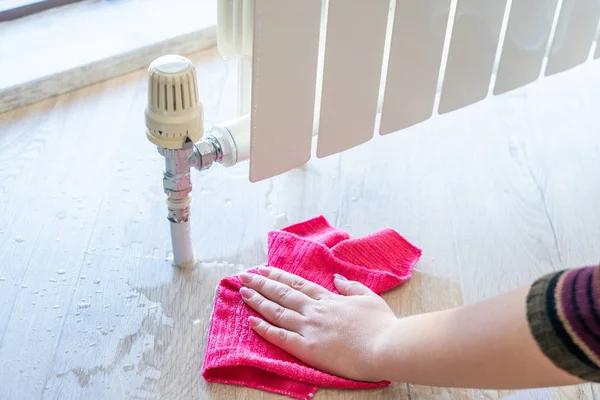
Leaks around the water heater base or connections are a serious concern. Even small drips can indicate a failing tank or loose plumbing fittings. If left unaddressed, leaks can cause water damage to flooring and walls, leading to costly repairs. Tulsa homeowners should inspect their water heaters regularly for signs of moisture and schedule prompt repairs if leaks are detected.
Unusual noises such as popping, rumbling, or banging sounds coming from the water heater are often caused by sediment buildup. As sediment hardens and accumulates, it traps water beneath it, which causes the tank to overheat and produce noise. These sounds are a warning sign that the unit needs flushing or maintenance.
Finally, the age of the water heater is an important factor to consider. Most units last between 8 to 12 years. If the water heater in a Tulsa home is approaching or exceeding this age range, homeowners should be proactive in monitoring performance and planning for replacement. Newer models offer improved energy efficiency and reliability, which can reduce utility bills and prevent sudden failures.
By staying vigilant and recognizing these common water heater problems, Tulsa homeowners can ensure their systems operate smoothly and efficiently. Regular maintenance, timely repairs, and professional inspections are key to avoiding costly issues and enjoying uninterrupted hot water throughout the year.