Upgrading your attic can significantly impact your home heating decisions, offering both energy efficiency improvements and long-term cost savings. Homeowners often overlook the attic when considering ways to optimize heating, but this space plays a crucial role in maintaining indoor comfort. Understanding how attic upgrades influence heating can help you make informed decisions that benefit your budget and the environment.
One of the primary ways attic upgrades affect home heating is through improved insulation. Proper attic insulation reduces heat loss during colder months by creating a barrier that retains warmth generated inside your home. When heat escapes through an uninsulated or poorly insulated attic, your heating see solution details system must work harder to maintain a comfortable temperature, leading to higher energy bills and increased wear on heating equipment. By upgrading insulation materials in the attic, such as installing spray foam or adding additional fiberglass batts, homeowners can significantly reduce heat loss and enhance overall energy efficiency.
In addition to insulation, sealing air leaks in the attic is another critical upgrade impacting heating decisions. Gaps around vents, chimneys, and attic access points can allow warm air to escape and cold air to enter, disrupting the home’s internal temperature balance. Air sealing measures, including weatherstripping and caulking, prevent unwanted drafts and improve the effectiveness of your heating system. This results in a more stable indoor climate and less reliance on heating appliances, which can prolong their lifespan and reduce maintenance costs.
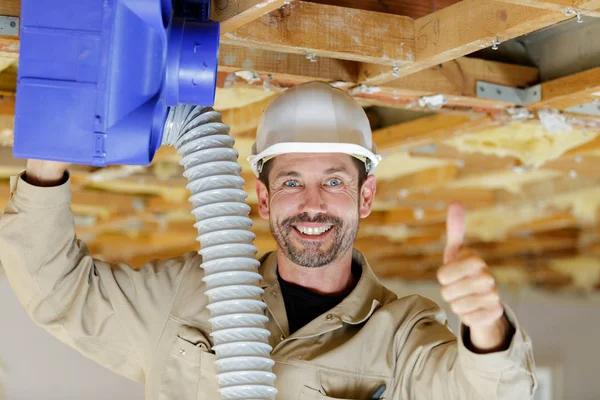
Ventilation is also a significant factor when upgrading the attic. Proper attic ventilation helps regulate temperature and moisture levels, preventing the buildup of heat in summer and reducing moisture-related problems in winter. While ventilation may seem unrelated to heating, it indirectly influences heating efficiency by maintaining the attic environment in a condition that supports effective insulation performance. Upgrades such as ridge vents, soffit vents, or powered attic fans can optimize airflow, complementing insulation efforts and enhancing your home’s heating system performance.
Moreover, attic upgrades can guide homeowners in selecting the right heating system. For example, a well-insulated and sealed attic may allow for a smaller, more efficient heating unit, while an unupgraded attic might necessitate a more powerful system to compensate for heat loss. Understanding these dynamics helps homeowners choose heating solutions that match their home’s specific needs, reducing energy waste and improving comfort.
In conclusion, attic upgrades have a direct and meaningful influence on home heating decisions. By focusing on insulation, air sealing, and ventilation improvements, homeowners can enhance energy efficiency, reduce heating costs, and make more informed choices about heating systems. Investing in attic upgrades not only benefits your wallet but also contributes to a more sustainable and comfortable living environment.