Furnace filters play a crucial role in maintaining the efficiency of heating systems, often underestimated by homeowners. These components, though seemingly simple, have a significant impact on both the performance and longevity of HVAC (Heating, Ventilation, and Air Conditioning) systems. Understanding this connection can lead to better energy efficiency and cost savings.
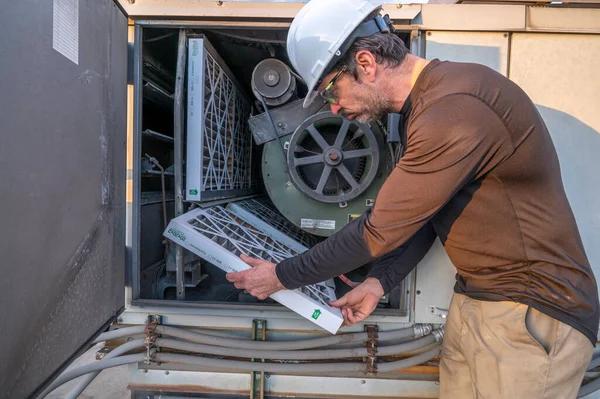
At the heart of any heating system is the furnace filter. Its primary function is to trap dust, dirt, pollen, and other airborne particles that can accumulate over time. By preventing these contaminants from entering the furnace itself, filters help maintain clean airflow throughout the system. Clean airflow is essential for efficient operation because it ensures that air circulates freely through ducts without obstruction.
When filters become clogged with debris due to neglect or infrequent replacement, they restrict airflow. This restriction forces the furnace to work harder than necessary to push air through blocked passages. As a result, more energy is consumed in an attempt to achieve desired temperatures within living spaces. Over time, this increased workload not only raises utility bills but also accelerates wear and tear on system components.
Furthermore, restricted airflow caused by dirty filters can lead to overheating issues within furnaces. When a furnace overheats repeatedly due to inadequate ventilation caused by clogged filters, it may shut down as a safety measure or even suffer damage requiring costly repairs or replacements.
The type of filter used also influences heating efficiency significantly. Filters are rated using MERV (Minimum Efficiency Reporting Value), which indicates their ability to capture particles of varying sizes. While higher MERV ratings mean better filtration capabilities—capturing smaller particles—they may also restrict airflow if not compatible with specific Auburn HVAC Services models designed for lower resistance levels.
Choosing an appropriate filter involves balancing filtration needs with compatibility requirements outlined by manufacturers’ recommendations for individual units’ specifications regarding optimal performance parameters such as pressure drop limits across different types/models available today’s market offerings ranging from fiberglass disposable options up towards high-efficiency pleated versions boasting superior durability alongside enhanced pollutant-trapping capacities alike!
Regular maintenance practices contribute immensely toward optimizing overall functionality while maximizing potential benefits derived via improved indoor environments characterized healthier living conditions achieved through reduced allergen exposure risks associated cleaner circulating currents constantly refreshed thanks diligence exercised conscientiously replacing outdated worn-out elements timely manner thereby ensuring continued smooth operations uninterrupted service delivery expectations met exceeded consistently every season year after another!
In conclusion: paying attention selecting correct size fitment regularly changing out old inefficient ones proactively addressing minor issues before they escalate into major problems ultimately results substantial improvements experienced firsthand financially environmentally speaking long-term perspective sustainability objectives aligned future goals aspirations alike!