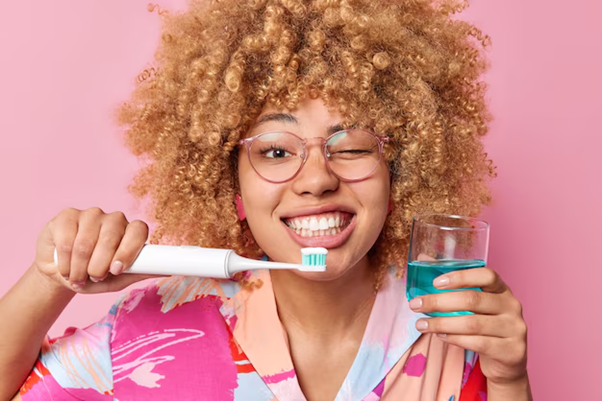
Maintaining excellent oral hygiene between dental visits is essential for preserving healthy teeth and gums. While professional cleanings and examinations play a crucial role in oral health, daily habits at home are what truly determine long-term outcomes. A consistent and mindful routine helps prevent cavities, gum disease, and other dental issues that can develop silently over time.
When visiting a Lake Mary dentist, patients are often reminded that the time spent between appointments is just as important as the visit itself. Preventive care at home reduces the likelihood of complex treatments and supports a healthier smile year-round. Small daily actions, when done correctly, can make a significant difference.
For individuals with restorative treatments such as dental implants in Lake Mary, maintaining proper hygiene becomes even more critical. Implants require diligent care to ensure longevity and to protect the surrounding gum tissue. By adopting the right practices, patients can safeguard their investment and enjoy lasting oral health.
The Importance of Consistent Daily Oral Hygiene
Oral hygiene is not just about keeping teeth clean; it is about maintaining a balanced environment in the mouth. Bacteria naturally accumulate throughout the day, forming plaque that can harden into tartar if not removed.
Brushing and flossing regularly help control this buildup and prevent issues such as:
- Tooth decay
- Gum inflammation
- Bad breath
- Enamel erosion
Consistency is key. Skipping even a single day can allow bacteria to multiply, increasing the risk of dental problems. Establishing a routine ensures that oral care becomes a natural part of daily life.
Mastering the Correct Brushing Technique
Brushing is the cornerstone of oral hygiene, but technique matters just as much as frequency. Brushing incorrectly can leave plaque behind or even damage enamel and gums.
To brush effectively, it is important to:
- Use a soft-bristled toothbrush
- Hold the brush at a 45-degree angle to the gums
- Use gentle, circular motions rather than harsh scrubbing
- Brush for at least two minutes, covering all tooth surfaces
Electric toothbrushes can also enhance cleaning efficiency by providing consistent motion and pressure control.
Replacing the toothbrush every three to four months ensures optimal performance and hygiene.
The Role of Flossing in Complete Oral Care
Flossing is often overlooked, yet it is essential for removing debris and plaque from areas that a toothbrush cannot reach. The spaces between teeth are particularly vulnerable to decay and gum disease.
Daily flossing helps:
- Prevent cavities between teeth
- Reduce gum inflammation
- Eliminate trapped food particles
Proper flossing involves gently guiding the floss between teeth and curving it around each tooth to clean below the gumline. Taking time to floss correctly enhances overall oral cleanliness and supports gum health.
Using Mouthwash for Added Protection
Mouthwash serves as an additional layer of defense in oral hygiene. While it does not replace brushing or flossing, it helps reduce bacteria and freshen breath.
There are different types of mouthwash designed for specific needs, including antibacterial and fluoride-based formulas. Choosing the right one can enhance protection against cavities and gum disease.
Incorporating mouthwash into a daily routine can:
- Reach areas missed during brushing
- Strengthen enamel
- Provide long-lasting freshness
Using alcohol-free mouthwash is often recommended to avoid dryness and irritation.
Maintaining a Tooth-Friendly Diet
Diet plays a significant role in oral health. The foods and beverages consumed daily can either support or harm teeth and gums.
A balanced diet rich in nutrients helps maintain strong enamel and healthy tissues. Foods that promote oral health include:
- Fresh fruits and vegetables
- Dairy products rich in calcium
- Lean proteins
- Whole grains
Limiting sugary and acidic foods is equally important, as they contribute to plaque formation and enamel erosion. Drinking water throughout the day helps rinse away food particles and maintain hydration.
Avoiding Harmful Habits That Affect Oral Health
Certain habits can undermine even the best oral hygiene routine. Being aware of these behaviors and making conscious changes can significantly improve dental health.
Common habits to avoid include:
- Smoking or using tobacco products
- Biting nails or chewing on hard objects
- Using teeth as tools to open packages
- Grinding or clenching teeth
Addressing these habits not only protects teeth but also reduces the risk of long-term damage and costly treatments.
Caring for Dental Work and Restorations
Patients with crowns, bridges, veneers, or implants require special attention to maintain their dental work. While these restorations are durable, they still need proper care to remain functional and aesthetically pleasing.
Cleaning around restorations should be done carefully to prevent plaque buildup. Using interdental brushes or water flossers can be particularly helpful in reaching difficult areas.
Regular maintenance ensures that restorations remain secure and that surrounding tissues stay healthy.
Recognizing Early Signs of Dental Issues
Being proactive about oral health includes recognizing early warning signs of potential problems. Addressing issues early can prevent more serious complications.
Signs to watch for include:
- Bleeding gums
- Persistent bad breath
- Tooth sensitivity
- Changes in tooth color or texture
If any of these symptoms occur, seeking professional advice promptly helps maintain oral health and prevents further damage.
The Importance of Staying Hydrated
Hydration is often overlooked in oral care, yet it plays a vital role in maintaining a healthy mouth. Saliva helps neutralize acids, wash away bacteria, and protect enamel.
Drinking enough water throughout the day supports saliva production and keeps the mouth clean. It also reduces dryness, which can contribute to bacterial growth and bad breath.
Choosing water over sugary or acidic beverages is a simple yet effective way to protect oral health.
Creating a Sustainable Oral Hygiene Routine
Consistency and sustainability are the keys to effective oral hygiene. Developing a routine that fits seamlessly into daily life ensures long-term success.
A well-rounded routine includes:
- Brushing twice daily
- Flossing once a day
- Using mouthwash as needed
- Maintaining a healthy diet
Setting reminders or incorporating oral care into morning and evening habits can help reinforce consistency.
Maintaining Oral Health Between Dental Visits
While professional dental visits are essential, the care provided at home determines the overall condition of teeth and gums. By adopting proper techniques, making mindful choices, and staying consistent, patients can maintain a healthy and confident smile between appointments.
Taking responsibility for daily oral hygiene not only prevents dental issues but also enhances overall well-being. With the right approach, maintaining oral health becomes a simple and rewarding part of everyday life.
A strong oral hygiene routine is the foundation of a lasting smile; protecting your teeth today ensures a healthier tomorrow.