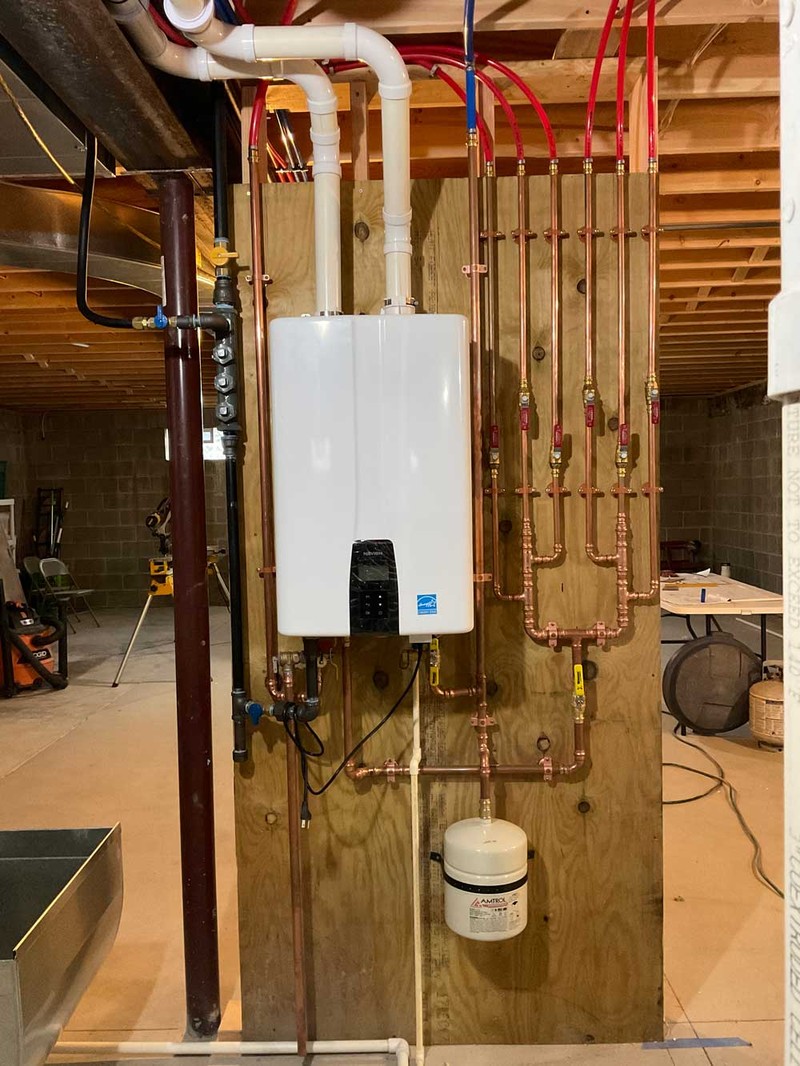
Installing a water heater involves more than simply placing the unit and connecting it to the plumbing system. It requires careful attention to specific installation requirements and adherence to local building codes designed to ensure safety, efficiency, and compliance with regulations. These codes vary by region but generally cover aspects such as proper placement, venting, electrical connections, pressure relief devices, and seismic considerations.
One of the primary factors in water heater installation is location. The unit should be installed in an accessible area that allows for maintenance and inspection while minimizing potential damage from leaks or failures. Local codes often specify minimum clearance distances from walls or combustible materials to prevent fire hazards. Additionally, many jurisdictions mandate the use of a drain pan beneath the water heater installation if it is installed above living spaces like basements or garages where leaks could cause significant damage.
Proper venting is crucial for gas water heaters because it ensures safe removal of combustion gases like carbon monoxide. Codes require that vents meet size specifications and slope angles to facilitate effective exhaust flow while preventing backdrafts into occupied areas. Vent pipes must also be constructed from approved materials resistant to heat corrosion. Electric water heaters do not require venting but must still comply with electrical code standards regarding wiring methods and circuit protection.
Another important requirement involves temperature and pressure relief valves (TPRVs). These devices protect against excessive pressure buildup inside the tank by releasing hot water when necessary. Building codes typically demand that TPRVs discharge through a pipe directed toward a safe drainage point near the floor level without any obstruction or valve on its path. This prevents dangerous situations such as tank explosions due to overpressure conditions.
In regions prone to earthquakes, seismic straps are often required by local ordinances to secure both gas and electric water heaters firmly in place during tremors. This reduces risks associated with tipping over or breaking connections during seismic events.
Electrical installations must conform strictly to national and local electrical codes covering grounding requirements, wire sizing based on amperage ratings, dedicated circuits for high-capacity units, and appropriate disconnect switches for safety during servicing.
Overall, understanding local building codes before installing a water heater is essential for legal compliance and long-term safety of occupants. Consulting licensed professionals familiar with regional regulations helps ensure proper installation practices are followed thoroughly without overlooking critical details mandated by law or manufacturer guidelines. Adhering closely to these standards minimizes risks related to fire hazards, carbon monoxide poisoning, flooding damage caused by leaks, structural instability during earthquakes, as well as electrical faults-making sure your new water heating system operates safely throughout its service life while meeting all regulatory demands effectively.
Service Squad
680 E Colorado Blvd, Suite 180, Pasadena, CA 91101
626-333-6519